
Recognizing ATTR-CA in Cardioembolic Stroke: Emerging Diagnostic Clues
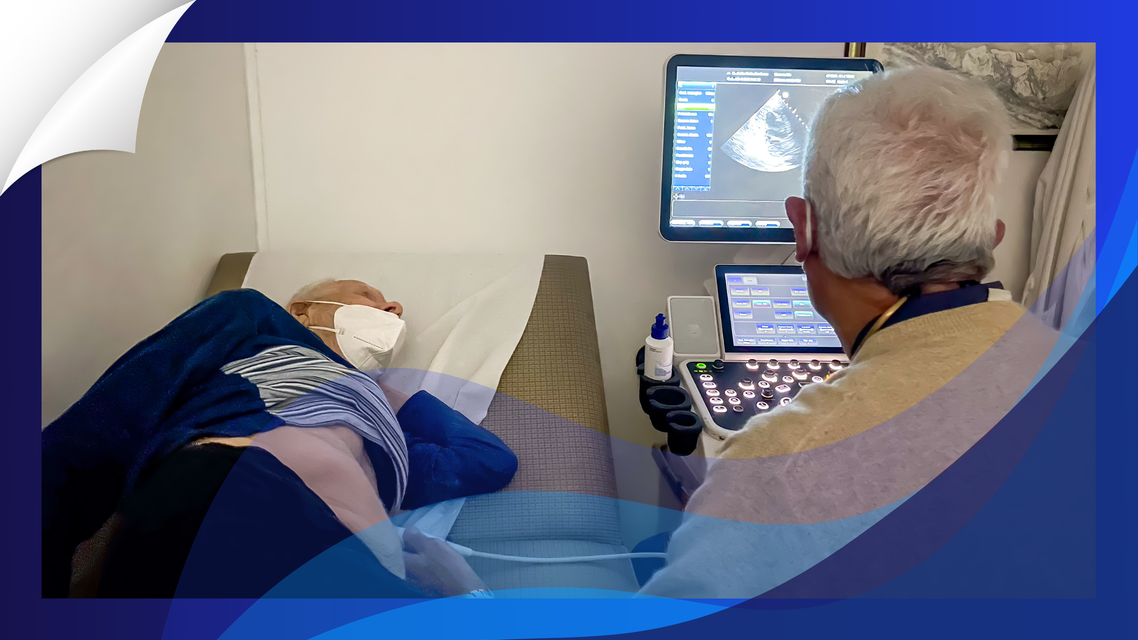
In a retrospective cohort study of consecutive patients hospitalized with cardioembolic stroke, Harada and colleagues identified transthyretin cardiac amyloidosis (ATTR-CA) in nearly 10% of cases. Half of the ATTR-CA diagnoses were established only after stroke presentation, highlighting the possibility that ischemic stroke may serve as an initial clinical entry point for identifying occult amyloid cardiomyopathy.
Among 143 patients classified as having cardioembolic stroke, 27 underwent ⁹⁹ᵐTc-pyrophosphate scintigraphy based on clinical suspicion for amyloidosis. 14 patients demonstrated diagnostic cardiac uptake, yielding an ATTR-CA prevalence of 9.8%. All identified cases were classified as wild-type ATTR-CA.
Structural and Biomarker Differences Distinguished the ATTR Cohort
Compared with patients without cardiac amyloidosis, the ATTR-CA cohort demonstrated several distinguishing cardiac features. High-sensitivity troponin T levels were approximately two-fold higher, while echocardiography showed significantly greater interventricular septal and posterior wall thickness. Left ventricular ejection fraction was reduced, and E/e′ ratios were higher, consistent with more advanced diastolic dysfunction.
Despite these differences, conventional cardiovascular comorbidities were broadly similar between groups. Atrial fibrillation was highly prevalent in both cohorts, occurring in 86% of ATTR-CA patients and 84% of non-amyloid patients. Left atrial dimensions and left atrial volume index also did not significantly differ between groups.
These findings suggest that ventricular wall thickening, biomarker elevation, and diastolic abnormalities may provide greater diagnostic value than atrial size alone when evaluating older patients with cardioembolic stroke for possible ATTR-CA.
Musculoskeletal Findings Emerged as Important Clinical Clues
Extracardiac manifestations were common among patients with ATTR-CA. Spinal canal stenosis and carpal tunnel syndrome were each present in 57% of patients, while the Popeye sign, reflecting distal biceps tendon rupture, was identified in 75% of evaluable patients.
The authors incorporated these findings into a proposed screening framework for stroke physicians. Their suggested approach combined ventricular wall thickening with additional “red flag” features such as elevated troponin levels or musculoskeletal manifestations to identify patients who may warrant pyrophosphate scintigraphy. In this cohort, the strategy identified all diagnosed ATTR-CA cases, although specificity could not be fully assessed because musculoskeletal findings were not systematically collected in non-amyloid patients.
The study also emphasizes that many ATTR-related manifestations may precede overt cardiac diagnosis. Among patients with ATTR-CA, half were diagnosed only during the stroke hospitalization despite having clinical features potentially consistent with systemic amyloidosis beforehand.
Stroke Occurred Despite Standard Anticoagulation
A notable finding involved the persistence of thromboembolic events despite anticoagulation therapy. Among patients with preexisting atrial fibrillation, several experienced cardioembolic stroke while receiving therapeutic anticoagulation. Some patients had also already initiated tafamidis before stroke onset.
The study doesn’t establish mechanisms for anticoagulation failure, but the findings are consistent with prior amyloidosis literature describing elevated thromboembolic risk independent of conventional atrial fibrillation paradigms. The authors discuss several possible contributors, including atrial mechanical dysfunction, restrictive ventricular physiology, elevated filling pressures, and amyloid infiltration affecting atrial electromechanical function.
Importantly, no intracardiac thrombi were detected on transthoracic echocardiography in the ATTR cohort, although more sensitive imaging modalities such as transesophageal echocardiography or cardiac CT were not routinely performed.
Implications for Stroke Evaluation
The findings support broader consideration of ATTR-CA during evaluation of older adults with cardioembolic stroke, particularly when ventricular hypertrophy, elevated troponin levels, or characteristic musculoskeletal findings are present. The availability of disease-modifying therapies gives additional relevance to recognizing ATTR-CA earlier in the disease course.
The study has several limitations, including its retrospective single-center design and selective use of pyrophosphate scintigraphy only in clinically suspected patients. As a result, the true prevalence of ATTR-CA in cardioembolic stroke populations may differ from the estimate observed here.
Even with those limitations, the data suggest that ATTR-CA may account for a clinically meaningful proportion of cardioembolic stroke in elderly patients and that stroke hospitalization may represent an important opportunity for diagnosis of previously unrecognized infiltrative cardiomyopathy.
Reference:
Harada S, Nakajima M, Nomura T, et al. High prevalence of treatable transthyretin cardiac amyloidosis in cardioembolic stroke: the first systematic cohort study. J Neurol. 2026;273(2):86. doi:10.1007/s00415-026-13618-2
Ready to Claim Your Credits?
You have attempts to pass this post-test. Take your time and review carefully before submitting.
Good luck!
Recommended


Brian P. McDonough, MD, FAAFP
Ahmet Kilic, MD FACS
Stephanie Dixon, MD, MPH
Stephanie Dixon, MD, MPH